Author: Polwarth Dental Clinic

Smart Solutions: The Role of Intuition in Emergency Dentistry

The Art and Science of Urgent Dental Care

In the world of emergency dentistry, we’ve discovered that success often hinges on more than just technical expertise and state-of-the-art equipment. Whilst clinical knowledge forms the foundation of everything we do, there’s an intangible element that frequently makes the difference between good care and exceptional care: professional intuition.

emergency-dentist-edinburgh

As an emergency dentist Edinburgh, at Polwarth Dental Clinic we’ve witnessed countless situations where that instinctive understanding—developed through experience and honed by countless patient interactions—has guided me towards the most effective treatment path. This isn’t about abandoning evidence-based practice; rather, it’s about recognising that intuition serves as a valuable complement to clinical protocols.

When Time is of the Essence

Emergency dental situations rarely present themselves in textbook fashion. Patients arrive in distress, often unable to articulate their symptoms clearly due to pain or anxiety. In these moments, we’ve learned to rely on subtle cues that extend beyond the obvious clinical signs. The way a patient holds their jaw, their posture in the chair, or even the specific words they choose to describe their discomfort can provide crucial insights.

This intuitive approach becomes particularly valuable when dealing with complex cases where multiple factors might be at play. A patient presenting with what appears to be a straightforward toothache might actually be experiencing referred pain from a completely different source.

Reading Between the Lines

One of the most rewarding aspects of emergency dentistry is the detective work involved in each case. Patients don’t always present with clear-cut symptoms, and sometimes the most important information comes from what they don’t say rather than what they do. Observing a patient’s body language or the subtle inconsistencies in their account often leads to more accurate diagnoses.

The Synergy of Experience and Technology

Modern emergency dentistry benefits tremendously from advanced diagnostic tools, yet we’ve observed that these instruments work best when guided by experienced intuition. Digital imaging and diagnostic equipment provide invaluable data, but interpreting that information within the context of each unique patient requires a nuanced understanding that develops over time.

There have been numerous occasions where our initial gut feeling about a case has prompted me to look more closely at seemingly normal radiographs, ultimately revealing subtle abnormalities that might otherwise have been overlooked. This interplay between technology and intuition creates a powerful diagnostic approach that serves patients exceptionally well.

Building Trust Through Understanding

Emergency dental patients often arrive feeling vulnerable and anxious. In these situations, intuitive communication skills prove just as important as clinical expertise. Recognising when a patient needs additional reassurance, sensing their preferred communication style, or understanding their unspoken concerns about treatment options all contribute to more effective care.

This empathetic approach not only improves the patient experience but often leads to better treatment outcomes. When patients feel genuinely understood and supported, they’re more likely to provide accurate information about their symptoms and follow through with recommended treatments.

Continuous Learning and Adaptation

What fascinates me most about emergency dentistry is how each case contributes to this growing reservoir of intuitive knowledge. Every patient interaction, every unusual presentation, and every treatment outcome adds another layer to my understanding. This accumulated wisdom becomes an invaluable resource that informs future decisions and enhances patient care.

The combination of rigorous clinical training, ongoing professional development, and this cultivated intuition creates a comprehensive approach to emergency dental care. It’s this holistic perspective that enables me to provide not just technically sound treatment, but truly personalised care that addresses each patient’s unique needs and circumstances.

In emergency dentistry, smart solutions emerge from the seamless integration of clinical expertise, technological advancement, and the irreplaceable value of professional intuition.

Navigating Dental Chaos: Unveiling Uncommon Emergency Tactics

When Dental Disasters Strike Unexpectedly

At Polwarth Dental Clinic, as an emergency dentist Edinburgh we’ve witnessed the most extraordinary dental emergencies that would make even seasoned professionals raise an eyebrow. From midnight toothaches that arrive with the subtlety of a brass band to sporting accidents that leave patients clutching their mouths in bewilderment, dental chaos has a peculiar way of announcing itself at the most inconvenient moments.

The reality is that dental emergencies rarely follow a convenient schedule. They don’t politely wait for Monday morning appointments or consideration for your weekend plans. Instead, they burst forth with theatrical timing, often coinciding with family gatherings, important presentations, or romantic dinners. This unpredictable nature requires both patients and practitioners to develop unconventional strategies for managing these urgent situations.

Unconventional First Aid Measures That Actually Work

Traditional advice doesn’t always suffice when facing genuine dental crises. Whilst we all know about cold compresses and over-the-counter pain relief, there are several lesser-known tactics that can provide remarkable temporary relief whilst seeking professional care.

The Strategic Use of Household Items

Tea bags, particularly black tea, contain tannins that possess natural astringent properties. When moistened and applied gently to bleeding gums, they can help control minor bleeding whilst maintaining oral hygiene. Similarly, clove oil, often found in kitchen cupboards, serves as an excellent natural anaesthetic for throbbing tooth pain.

Salt water rinses remain criminally underutilised despite their effectiveness. The key lies in achieving the proper concentration – one teaspoon of salt dissolved in warm water creates an isotonic solution that reduces swelling and combats bacterial growth without causing additional irritation.

Advanced Positioning Techniques

When experiencing severe dental pain, your sleeping position can dramatically affect comfort levels. Elevating your head using multiple pillows reduces blood flow to the affected area, often providing significant relief. As an emergency dentist Edinburgh patients frequently consult, we know that proper positioning can transform an unbearable night into a manageable situation whilst awaiting professional treatment.

Professional Emergency Response Strategies

When conventional methods prove insufficient, advanced emergency tactics become essential. We’ve developed a systematic approach that addresses the most challenging scenarios with precision and care. These methods extend beyond standard protocols, incorporating innovative techniques that maximise patient comfort whilst preserving dental integrity.

The Critical Golden Hour Principle

Timing proves absolutely crucial in dental emergencies. The first hour following trauma often determines the long-term prognosis for affected teeth. During this critical window, specific actions can mean the difference between successful restoration and permanent loss. Keeping avulsed teeth moist in milk rather than water maintains cellular viability, whilst gentle repositioning of displaced teeth can prevent complex orthodontic complications.

Temperature management also plays a vital role. Alternating between cold and warm compresses in fifteen-minute intervals can reduce inflammation more effectively than sustained cold application alone. This technique stimulates blood circulation whilst controlling swelling, creating optimal conditions for natural healing processes.

Building Your Emergency Preparedness Arsenal

Every household should maintain a comprehensive dental emergency kit. Beyond standard items, we recommend including dental wax for sharp edges, temporary filling material for lost crowns, and sterile gauze for controlling bleeding. These supplies transform panic-inducing situations into manageable circumstances.

Documentation proves equally important during emergencies. Photographing injuries helps professionals assess severity and plan appropriate treatment strategies. This visual record becomes invaluable when explaining symptoms and tracking healing progress throughout recovery.

Transforming Crisis Into Opportunity

Dental emergencies, whilst undeniably stressful, often reveal underlying issues that might otherwise remain undetected. These urgent situations frequently motivate patients to address long-postponed treatments and establish consistent preventive care routines. What initially appears as dental chaos frequently becomes the catalyst for improved oral health.

Through proper preparation, unconventional tactics, and professional guidance, even the most daunting dental emergencies become navigable challenges. The key lies in maintaining composure whilst implementing these proven strategies, transforming potential disasters into opportunities for enhanced dental wellness and patient education.

Ingenious Methods for Tackling Dental Emergencies

As an emergency dentist Edinburgh that has witnessed countless urgent situations unfold, at Polwarth Dental Clinic we’ve come to appreciate the remarkable ingenuity that emerges when people face unexpected dental crises. While dental emergencies can be distressing, there are numerous clever approaches that can help manage these situations effectively until professional care becomes available.

Understanding the Nature of Dental Emergencies

emergency-dentist-edinburgh

Dental emergencies rarely announce themselves with advance notice. They arrive unexpectedly, often during weekends, holidays, or late evenings when traditional dental services might not be readily accessible. At Polwarth Dental Clinic, we’ve noticed that understanding the various types of dental emergencies is the first step towards managing them successfully.

The most common emergencies we encounter include severe toothache, knocked-out teeth, cracked or fractured teeth, lost fillings or crowns, and soft tissue injuries within the mouth. Each of these situations requires a different approach, and knowing how to respond appropriately can make a significant difference to the outcome.

Immediate Response Strategies for Common Emergencies

Managing Severe Toothache

When faced with excruciating tooth pain, we always advise patients to remain calm and take systematic action. The first step involves gently rinsing the mouth with warm salt water, which can help reduce inflammation and provide temporary relief. Over-the-counter pain relievers, when taken according to the manufacturer’s instructions, can offer additional comfort whilst seeking professional assistance from an emergency dentist Edinburgh.

Dealing with Knocked-Out Teeth

Perhaps one of the most dramatic dental emergencies is when a tooth becomes completely dislodged. Time becomes absolutely crucial in these situations, and the actions taken within the first hour can determine whether the tooth can be successfully reimplanted. At Polwarth Dental Clinic, we’ve witnessed remarkable recoveries when patients handle the situation correctly.

The key is to locate the tooth immediately and handle it carefully by the crown, avoiding contact with the root surface. If the tooth appears clean, attempting to gently reinsert it into the socket can be beneficial. However, if this isn’t possible, storing the tooth in milk or saliva helps preserve the vital tissues.

Addressing Cracked or Fractured Teeth

Cracked teeth present a particularly challenging scenario, as the damage might not always be immediately visible. We’ve found that patients who rinse their mouth with warm water and apply a cold compress to the outside of the cheek can significantly reduce swelling and discomfort. Avoiding extremely hot or cold foods and beverages becomes essential until professional treatment can be arranged.

For more severe fractures where sharp edges remain, covering the damaged area with sugar-free chewing gum or dental wax can prevent further injury to the tongue and cheeks. This temporary measure has proven invaluable in numerous cases we’ve encountered at Polwarth Dental Clinic.

Lost Fillings and Crown Emergencies

When fillings or crowns become dislodged, the exposed tooth structure often becomes extremely sensitive. Temporary dental cement, available from most pharmacies, can provide excellent short-term protection. Alternatively, sugar-free gum can serve as an emergency covering, though this should only be considered a very temporary solution.

For lost crowns, we always recommend keeping the crown safe and clean, as it can often be recemented professionally. Avoiding sticky or hard foods helps prevent further damage to the vulnerable tooth structure.

Soft Tissue Injuries and Bleeding

Injuries to the gums, tongue, or cheeks require immediate attention to control bleeding and prevent infection. Gentle pressure applied with a clean cloth or gauze typically stops bleeding within ten to fifteen minutes. Rinsing with salt water helps cleanse the area and promotes healing.

When Professional Care Becomes Essential

Whilst these ingenious home remedies can provide temporary relief, we cannot emphasise enough the importance of seeking professional dental care promptly. Modern emergency dentistry offers sophisticated treatments that can save teeth and prevent complications. Whether dealing with trauma, infection, or severe pain, consulting with an emergency dentist Edinburgh ensures that proper diagnosis and treatment occur before problems escalate further. The combination of smart immediate care and professional expertise creates the best possible outcomes for dental emergencies.

Mind Over Matter: Psychological Strategies in Emergency Dentistry

Understanding the Psychology Behind Dental Emergencies

As an emergency dentist Edinburgh who has witnessed countless dental emergencies, at Polwarth Dental Clinic we’ve observed that the psychological component of urgent dental care is just as crucial as the clinical treatment itself. When patients arrive at our practice in distress, their mental state often amplifies the physical discomfort they’re experiencing. The mind-body connection in dentistry is remarkably powerful, and understanding this relationship has transformed how we approach emergency dental care.

emergency-dentist-edinburgh

Dental emergencies rarely occur at convenient moments. Whether it’s a severe toothache that strikes during the weekend or a knocked-out tooth from an unexpected accident, these situations trigger our body’s natural stress response. The fight-or-flight mechanism that served our ancestors well becomes counterproductive in the dental chair, heightening pain perception and making treatment more challenging for both patient and practitioner.

The Role of Anxiety in Emergency Dental Situations

Anxiety manifests differently in each patient, but its presence is nearly universal in emergency dental scenarios. Some individuals experience rapid heartbeat and sweating, whilst others may feel dizzy or nauseous. At Polwarth Dental Clinic, we’ve learned that acknowledging these responses rather than dismissing them creates a foundation of trust that proves invaluable during treatment. When patients feel heard and understood, their stress levels naturally begin to decrease.

The unpredictable nature of dental emergencies compounds this anxiety. Unlike scheduled appointments where patients can mentally prepare, emergency situations catch people off-guard. This element of surprise often leaves patients feeling vulnerable and out of control. As an emergency dentist Edinburgh residents trust, we’ve developed specific techniques to help patients regain their sense of agency during these overwhelming moments.

Breathing Techniques for Immediate Stress Relief

One of the most effective tools we share with patients is controlled breathing. The beauty of this technique lies in its simplicity and immediate accessibility. When someone arrives in pain and panic, teaching them to focus on their breath provides an instant anchor point. We guide patients through a simple pattern: inhaling slowly for four counts, holding for four, then exhaling for six counts.

This technique activates the parasympathetic nervous system, counteracting the stress response that exacerbates pain perception. We’ve witnessed remarkable transformations when patients embrace this practice, with their shoulders visibly relaxing and their grip on the chair arms loosening. The rhythm of controlled breathing also provides a focal point that redirects attention away from anticipated discomfort.

Progressive Muscle Relaxation in the Dental Chair

Beyond breathing exercises, we often incorporate progressive muscle relaxation techniques during treatment. This involves systematically tensing and releasing different muscle groups, starting from the toes and working upwards. Whilst this might seem impractical during dental procedures, even focusing on relaxing the jaw, shoulders, and hands can significantly reduce overall tension.

The jaw muscles, in particular, tend to clench involuntarily during stressful dental situations. By encouraging patients to consciously relax these muscles between treatment phases, we create opportunities for both physical and mental relief. This technique proves especially valuable during longer procedures where maintaining relaxation becomes increasingly challenging.

Communication as a Psychological Tool

Clear, compassionate communication forms the cornerstone of effective psychological support in emergency dentistry. Explaining each step of the treatment process helps demystify the experience and reduces anxiety born from uncertainty. When patients understand what’s happening and why, they feel more in control of their situation.

At Polwarth Dental Clinic, we also encourage patients to establish signals for communication during treatment. A simple hand gesture can indicate when they need a brief pause, creating a sense of partnership rather than helplessness. This collaborative approach transforms the dynamic from something being done to them into something we’re working through together.

Final Thoughts on Psychological Wellness

The integration of psychological strategies into emergency dental care has revolutionised our practice. By addressing both the mental and physical aspects of dental emergencies, we create an environment where healing can occur more naturally and comfortably. These techniques don’t replace clinical expertise, but they enhance the overall treatment experience, leading to better outcomes and reduced trauma associated with emergency dental visits.

Empowering Patients: A Fresh Perspective on Dental Emergencies

Understanding the Reality of Dental Emergencies

As an emergency dentist Edinburgh, at Polwarth Dental Clinic we’ve witnessed firsthand how dental emergencies can transform from overwhelming crises into manageable situations when patients are properly informed and prepared. At Polwarth Dental Clinic, we believe that knowledge truly is power, particularly when it comes to understanding what constitutes a genuine dental emergency and how to respond appropriately.

Dental emergencies rarely announce themselves at convenient moments. They tend to arrive during weekend family gatherings, late evening hours, or just before important presentations at work. However, what we’ve discovered at Polwarth Dental Clinic is that patients who understand the nature of dental emergencies often experience significantly less anxiety and achieve better outcomes.

Recognising True Dental Emergencies

emergency-dentist-edinburgh

Not every dental discomfort requires immediate emergency attention, and distinguishing between urgent and non-urgent situations can save both time and unnecessary stress. True dental emergencies typically involve severe pain that cannot be managed with over-the-counter medications, significant trauma to teeth or gums, or infections that may spread to other parts of the body.

When patients contact our practice seeking an emergency dentist Edinburgh, we always encourage them to describe their symptoms clearly. This initial assessment helps determine whether immediate intervention is necessary or whether the situation can be managed temporarily until regular appointment hours.

Taking Control: Immediate Response Strategies

Pain Management Techniques

Effective pain management begins with understanding that dental pain often signals underlying issues requiring professional attention. However, several immediate strategies can provide temporary relief whilst arranging appropriate care. Cold compresses applied externally can reduce swelling and numb pain, whilst avoiding extremely hot or cold foods prevents additional discomfort.

Protecting Damaged Teeth

When dental trauma occurs, quick thinking and proper immediate care can often mean the difference between saving and losing a tooth. If a tooth becomes completely dislodged, handling it carefully by the crown rather than the root and keeping it moist can preserve its viability for potential reimplantation.

Building Confidence Through Preparation

Preparation transforms panic into purposeful action. We advise patients to maintain a basic dental emergency kit at home, containing items such as sterile gauze, a small container with a lid, over-the-counter pain relievers, and our practice’s emergency contact information. This simple preparation provides peace of mind and ensures appropriate materials are readily available when needed.

Understanding your dental history also plays a crucial role in emergency preparedness. Patients with previous dental work, ongoing treatments, or specific conditions should be particularly aware of potential complications and maintain regular communication with their dental team. This proactive approach often prevents minor issues from escalating into genuine emergencies.

The Role of Communication in Emergency Care

Clear communication between patients and dental professionals significantly improves emergency outcomes. When contacting us at Polwarth Dental Clinic, providing detailed information about symptoms, timing, and any relevant medical history enables us to offer appropriate guidance and prioritise cases effectively. This collaborative approach ensures that those requiring immediate attention receive it promptly.

Patients who ask questions and seek to understand their treatment options generally experience less anxiety and achieve better results. Emergency situations need not eliminate patient autonomy; rather, informed patients become active participants in their own care, leading to more successful outcomes.

Prevention: The Ultimate Empowerment

Whilst we cannot prevent every dental emergency, many situations can be avoided through consistent preventive care and awareness of risk factors. Regular dental examinations identify potential problems before they become emergencies, whilst protective measures during sports activities and avoiding harmful habits protect teeth from trauma.

Modern dentistry offers numerous preventive treatments and technologies that strengthen teeth and reduce emergency risks. By embracing these preventive approaches and maintaining open dialogue with dental professionals, patients take control of their oral health journey, transforming from passive recipients of care into empowered partners in maintaining their dental wellbeing.

Emergency dental situations, whilst challenging, present opportunities for patients to demonstrate resilience and take charge of their health outcomes through informed decision-making and appropriate action.

Beyond the Chair: How Emergency Dentists Redefine Patient Experiences

Transforming Dental Emergencies into Manageable Experiences

When dental emergencies strike, the traditional approach to patient care simply isn’t sufficient. At Polwarth Dental Clinic, as an emergency dentist Edinburgh we’ve discovered that exceptional emergency dental care extends far beyond the clinical procedures performed in the treatment room. It’s about creating an entirely reimagined patient journey that addresses not just the immediate dental concern, but the anxiety, uncertainty, and discomfort that accompany urgent dental situations.

We’ve observed that patients experiencing dental emergencies often arrive in a heightened state of distress. Whether it’s a sudden toothache that’s kept someone awake all night or a sports injury that’s damaged a tooth, these situations demand a fundamentally different approach to patient care. Our role as an emergency dentist Edinburgh practice has taught us that healing begins the moment a patient contacts our surgery.

Redefining First Contact and Initial Assessment

emergency-dentist-edinburgh

The traditional model of dental care often involves lengthy waiting periods and standardised appointment slots. However, emergency dentistry requires a complete departure from this approach. We’ve developed systems that prioritise immediate response and rapid assessment, ensuring that patients receive the attention they need when they need it most.

Our telephone triage system allows us to assess the severity of each situation before the patient even arrives at the practice. This preliminary evaluation enables us to prepare appropriately for each case, whether that involves setting up specialised equipment or arranging for additional time to address complex situations. The result is a more streamlined experience that reduces waiting times and eliminates uncertainty.

Creating Comfort in Crisis Situations

Environmental Considerations

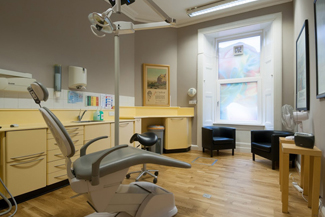
The physical environment plays a crucial role in patient comfort during emergency situations. We’ve carefully designed our emergency treatment areas to promote calm and relaxation, even during urgent procedures. Soft lighting, comfortable seating, and a welcoming atmosphere help to counteract the stress that patients naturally experience during dental emergencies.

Communication and Transparency

Clear communication forms the cornerstone of exceptional emergency dental care. We ensure that every patient understands their condition, the proposed treatment options, and the expected outcomes before any procedure begins. This transparency helps to alleviate anxiety and empowers patients to make informed decisions about their care, even in urgent situations.

We’ve found that taking the time to explain procedures step-by-step, even during emergencies, significantly improves patient comfort levels. When patients understand what’s happening and why, they’re better able to cooperate with treatment and feel more confident in the care they’re receiving.

Technology’s Role in Emergency Care Excellence

Modern dental technology has revolutionised our ability to provide swift, accurate diagnoses and effective treatments. Digital radiography allows us to identify problems immediately, whilst advanced pain management techniques ensure patient comfort throughout emergency procedures. These technological advances enable us to resolve dental emergencies more efficiently than ever before.

Our investment in cutting-edge equipment means that complex procedures can often be completed in a single visit, reducing the need for multiple appointments and allowing patients to return to their normal routines more quickly. This efficiency is particularly valuable in emergency situations where patients are experiencing significant discomfort.

Follow-up Care and Ongoing Support

Emergency dental care doesn’t end when the immediate problem is resolved. We provide comprehensive follow-up support to ensure proper healing and prevent future emergencies. Our patients receive detailed aftercare instructions and have access to our emergency contact system should any concerns arise during the recovery period.

This commitment to ongoing care demonstrates our understanding that emergency dentistry is about more than just fixing immediate problems. It’s about providing peace of mind and ensuring that patients feel supported throughout their entire treatment journey. By redefining what emergency dental care can be, we’ve created an experience that transforms potentially traumatic situations into manageable, even positive, encounters with dental healthcare.

Unexpected Allies: How Everyday Objects Aid in Dental Emergencies

When Crisis Strikes: The Resourceful Response

As an emergency dentist Edinburgh, at Polwarth Dental Clinic we’ve witnessed countless moments when patients have arrived at our practice with remarkable tales of ingenuity. When dental emergencies strike at the most inconvenient times—during weekend getaways, late-night gatherings, or whilst travelling—ordinary household items often become unexpected heroes. These everyday objects can provide crucial temporary relief until proper professional care is available.

The key to managing any dental crisis lies in understanding which common items can safely provide interim assistance. We’ve seen patients successfully navigate challenging situations using nothing more than items from their kitchen cupboards or bathroom cabinets. However, it’s essential to remember that these measures serve only as temporary solutions before seeking proper treatment from an emergency dentist Edinburgh.

The Kitchen Cabinet Pharmacy

emergency-dentist-edinburgh

Your kitchen harbours several items that can prove invaluable during dental emergencies. Salt water, perhaps the most celebrated of home remedies, creates an excellent antiseptic rinse that can reduce swelling and cleanse wounds. Simply dissolve half a teaspoon of salt in warm water and gently rinse the affected area. This simple solution has been trusted for generations and remains one of the most effective temporary measures.

Cold Therapy Champions

Frozen peas deserve particular recognition for their versatility in dental emergencies. Their small, uniform shape allows them to conform perfectly to facial contours, providing targeted cold therapy for swelling and pain relief. Unlike ice cubes, which can be unwieldy and potentially cause tissue damage if applied directly, frozen vegetables offer gentle, consistent cooling whilst remaining flexible enough to mould around the jaw area.

Clove Oil: Nature’s Anaesthetic

Clove oil stands as one of nature’s most potent dental pain relievers, often found in spice racks across Britain. This aromatic oil contains eugenol, a natural anaesthetic that can provide remarkable temporary relief from toothache. A single drop applied to a cotton bud and gently dabbed onto the affected tooth can offer respite until professional care becomes available. However, use sparingly, as excessive application may cause tissue irritation.

Bathroom Cabinet Solutions

The humble dental floss proves its worth beyond daily oral hygiene when food particles become lodged between teeth, causing discomfort or pain. Gentle flossing can dislodge debris that might otherwise lead to inflammation or infection. Similarly, an old toothbrush can serve as an applicator for various remedies, whilst cotton buds provide precise application of treatments to specific areas.

Antiseptic mouthwash, commonly found in most households, offers excellent temporary cleansing properties for mouth injuries. Its antibacterial properties help prevent infection whilst providing a cooling sensation that can ease discomfort. For those experiencing bleeding gums, a cold, damp tea bag applied to the area can help stem the flow, as tea contains tannins that promote blood clotting.

The Importance of Professional Care

Whilst these household remedies can provide valuable temporary relief, they should never replace professional dental treatment. Each solution serves as a bridge to proper care, helping patients manage discomfort and prevent complications until they can receive appropriate treatment. Understanding when to seek immediate professional help remains crucial, particularly for severe pain, facial swelling, or trauma-related injuries.

These everyday allies demonstrate that resourcefulness and basic knowledge can significantly improve comfort during dental emergencies. However, the ultimate goal should always be securing proper professional care to address the underlying issue comprehensively and prevent future complications from arising.

Mastering the Art of Quick Dental Recovery

The Foundation of Successful Dental Recovery

When it comes to dental procedures, the journey doesn’t end when you leave the surgery chair. As an emergency dentist Edinburgh who has witnessed countless recoveries over the years, at Polwarth Dental Clinic we can confidently say that the art of quick dental recovery lies in understanding the fundamental principles that govern your body’s healing process. Whether you’ve undergone a routine filling, extraction, or more complex treatment, your approach to recovery can significantly influence both the speed and quality of your healing.

emergency-dentist-edinburgh

The first twenty-four hours following any dental procedure represent the most critical window for establishing proper healing patterns. During this period, your body initiates its natural inflammatory response, which, whilst sometimes uncomfortable, serves as the cornerstone of effective tissue repair. Patients who embrace this process, rather than fighting against it, consistently achieve superior outcomes.

Essential Post-Treatment Protocols

Proper post-treatment care begins the moment you step out of the dental surgery. The protocols have been refined through years of clinical experience and consistently deliver excellent results. Temperature management plays a crucial role in the initial stages of recovery. Applying a cold compress to the affected area for fifteen-minute intervals during the first few hours can significantly reduce swelling and provide comfort.

Immediate Care Strategies

The immediate post-treatment period requires particular attention to several key factors. Firstly, maintaining gentle pressure on any gauze provided helps facilitate proper blood clot formation. This biological process is essential for protecting the treatment site and promoting healthy tissue regeneration. Should you experience any unexpected complications or severe discomfort, seeking prompt attention from an emergency dentist Edinburgh ensures that any concerns are addressed swiftly and professionally.

Dietary considerations during the first day are equally important. Soft, cool foods not only provide necessary nutrition but also minimise disruption to the healing tissues. We typically recommend incorporating foods such as yoghurt, smoothies, and gentle soups into your immediate post-treatment diet.

Nutrition’s Role in Accelerated Healing

The relationship between proper nutrition and dental recovery cannot be overstated. At Polwarth Dental Clinic, we’ve witnessed remarkable differences in healing rates amongst patients who prioritise their nutritional intake during recovery. Protein-rich foods serve as the building blocks for tissue repair, whilst vitamin C supports collagen synthesis, a vital component in wound healing. Foods such as lean meats, eggs, citrus fruits, and leafy greens should feature prominently in your recovery diet.

Hydration plays an equally crucial role in the healing process. Adequate water intake ensures optimal blood flow to the treatment site, facilitating the delivery of essential nutrients and the removal of metabolic waste products. We recommend maintaining consistent hydration levels throughout the recovery period, avoiding beverages that might irritate the healing tissues.

Managing Discomfort Naturally

Whilst some discomfort following dental treatment is entirely normal, there are numerous natural approaches to managing this effectively. Gentle saltwater rinses, prepared with warm water and a teaspoon of salt, can provide soothing relief whilst maintaining oral hygiene. However, we advise waiting at least twenty-four hours before beginning any rinsing routine to avoid disturbing the initial healing process.

Long-term Recovery Excellence

The journey to complete dental recovery extends well beyond the first few days. Maintaining impeccable oral hygiene, whilst being mindful of the treatment area, supports continued healing and prevents complications. Regular follow-up appointments allow for professional monitoring of your progress and early identification of any concerns.

Sleep quality significantly impacts your body’s ability to heal effectively. Ensuring adequate rest and elevating your head slightly during sleep can reduce swelling and promote comfort. By following these evidence-based principles and maintaining open communication with your dental team, you’ll find that mastering the art of quick dental recovery becomes an achievable and rewarding experience that sets the foundation for long-term oral health success.

Adaptive Mindsets: How Emergency Dentists Thrive in Uncertain Situations

Embracing the Unexpected in Emergency Dental Care

At Polwarth Dental Clinic, your experienced emergency dentist Edinburgh, we’ve discovered that uncertainty isn’t merely an occupational hazard—it’s the very essence of what makes this field so remarkably dynamic. Every day brings a fresh tapestry of challenges, from midnight phone calls about excruciating toothaches to weekend appointments with patients who’ve encountered unfortunate accidents. The unpredictable nature of emergency dental work shows that adaptability isn’t just a useful skill; it’s absolutely essential for thriving in this profession.

emergency-dentist-edinburgh

What sets emergency dentistry apart from routine practice is the immediate pressure to deliver effective solutions under time constraints. Patients arrive in varying degrees of distress, often anxious and in considerable discomfort. This environment demands not only technical expertise but also the mental agility to assess rapidly changing situations and make swift, informed decisions that prioritise patient welfare above all else.

The Psychology Behind Professional Resilience

Developing an adaptive mindset begins with understanding that uncertainty creates opportunities rather than obstacles. When faced with complex cases that don’t fit textbook descriptions, we’ve learned to view these moments as chances to expand our clinical knowledge and refine our problem-solving abilities. This perspective transforms potentially stressful situations into valuable learning experiences that strengthen both professional competence and personal confidence.

Cultivating Mental Flexibility

Mental flexibility in emergency dentistry involves several key components that we’ve refined throughout our career. Firstly, maintaining emotional equilibrium whilst patients experience distress requires conscious effort and practice. Secondly, the ability to pivot between different treatment approaches when initial assessments reveal unexpected complications demonstrates true professional maturity. Finally, effective communication skills become paramount when explaining complex procedures to anxious patients who need reassurance alongside expert care.

Strategic Approaches to Managing Unpredictability

Through extensive experience, we’ve developed systematic approaches that enable smooth navigation through uncertain clinical scenarios. Preparation forms the cornerstone of effective emergency dental practice. This involves maintaining comprehensive equipment inventories, staying current with the latest treatment protocols, and ensuring that our team shares a unified understanding of emergency procedures. When unexpected situations arise, this foundation allows for confident decision-making without compromising patient care quality.

Time management becomes particularly crucial when multiple emergencies occur simultaneously. We’ve learned to prioritise cases based on severity whilst maintaining clear communication with all patients about expected waiting times. This transparency reduces anxiety and demonstrates respect for their circumstances, even when delays are unavoidable.

Building Patient Trust Through Uncertainty

Patients seeking emergency dental care often feel vulnerable and apprehensive about their situations. We’ve found that acknowledging their concerns whilst projecting calm confidence creates an atmosphere of trust that facilitates better treatment outcomes. Explaining procedures in accessible language, discussing potential complications honestly, and setting realistic expectations helps patients feel more comfortable despite their uncertain circumstances.

Continuous Learning and Professional Growth

The unpredictable nature of emergency dentistry demands commitment to lifelong learning. Each unusual case contributes to a growing repository of clinical experience that proves invaluable when similar situations arise. We regularly attend professional development courses, engage with colleagues about challenging cases, and review current research to ensure our practice remains at the forefront of emergency dental care.

Working as an emergency dentist Edinburgh has taught us that thriving in uncertain situations requires embracing change rather than resisting it. The satisfaction derived from successfully treating complex cases, alleviating patient suffering, and continuously expanding professional capabilities makes every unpredictable day worthwhile. This adaptive approach not only benefits patient outcomes but also creates a fulfilling career path that remains engaging and professionally rewarding despite its inherent uncertainties.

Creative Approaches to Swiftly Alleviating Dental Pain

Understanding the Nature of Dental Discomfort

As an emergency dentist Edinburgh, at Polwarth Dental Clinic we’ve witnessed countless patients arrive at our surgery in varying degrees of distress, each seeking immediate relief from dental pain. The experience of dental discomfort can be utterly overwhelming, transforming even the most composed individuals into desperate souls yearning for respite. What many people don’t realise is that dental pain often serves as nature’s alarm system, alerting us to underlying issues that require prompt attention.

At Polwarth Dental Clinic, we’ve observed that dental pain rarely follows a convenient schedule. It has an uncanny ability to strike during the most inopportune moments – late evenings, weekends, or during important events. This unpredictable nature means that having a repertoire of effective pain management techniques becomes absolutely essential for maintaining one’s quality of life whilst awaiting professional treatment.

Immediate Relief Strategies That Actually Work

Temperature Therapy Techniques

emergency-dentist-edinburgh

One of the most effective approaches we recommend to patients involves the strategic use of temperature therapy. Cold therapy, applied externally to the affected area, can provide remarkable relief by numbing the pain and reducing inflammation. We always advise patients to wrap ice cubes in a thin cloth and apply gentle pressure to the cheek for fifteen-minute intervals. This method proves particularly effective for swelling and acute pain episodes.

Conversely, warm salt water rinses offer a gentler approach that many find soothing. The combination of warmth and salt creates an environment that reduces bacterial activity whilst providing comfort to irritated tissues. We suggest dissolving half a teaspoon of salt in warm water and gently swishing it around the affected area for thirty seconds before spitting it out.

Natural Remedies with Proven Benefits

Nature has provided us with several remarkable pain-relieving compounds that we’ve seen work wonders for patients seeking immediate relief. Clove oil, containing eugenol, acts as a natural anaesthetic when applied carefully to the affected tooth using a cotton swab. However, we always emphasise the importance of seeking professional care from an emergency dentist Edinburgh when pain persists or worsens despite these measures.

Peppermint tea bags, when cooled and applied directly to the affected area, offer both antimicrobial properties and a cooling sensation that many patients find remarkably soothing. The natural menthol content provides temporary numbing whilst the tannins help reduce inflammation. We’ve observed that this approach works particularly well for patients who prefer gentler, more natural interventions.

Pressure Point Therapy and Positioning

An often overlooked yet highly effective technique involves applying firm pressure to specific acupressure points. The point located between the thumb and index finger, when pressed firmly for several minutes, can help reduce dental pain through the body’s natural pain-blocking mechanisms. Additionally, maintaining an elevated head position whilst resting prevents blood from pooling in the affected area, thereby reducing throbbing sensations that often accompany dental pain.

Pharmaceutical Approaches for Acute Episodes

When natural remedies prove insufficient, over-the-counter medications can provide substantial relief. We typically recommend alternating between ibuprofen and paracetamol, as this combination addresses both pain and inflammation whilst maximising effectiveness. The anti-inflammatory properties of ibuprofen prove particularly valuable for dental pain, as much of the discomfort stems from swollen tissues pressing against sensitive nerve endings.

However, we must emphasise that these approaches serve as temporary measures rather than permanent solutions. Persistent dental pain invariably indicates underlying issues requiring professional intervention. Delaying proper treatment can lead to complications that prove far more challenging to resolve.

Prevention Through Proactive Care

The most creative approach to managing dental pain involves preventing it altogether through consistent oral hygiene and regular dental examinations. We encourage patients to view their oral health as an investment in their overall wellbeing, rather than merely addressing problems as they arise.

Maintaining regular appointments allows us to identify potential issues before they develop into painful emergencies. This proactive approach not only prevents discomfort but also proves more economical in the long term, avoiding the need for extensive treatments that emergency situations often require.